Skip to content
Good Journey logo Good Journey Life's a journey, make it good
Menu
Practical Safety & Planning Guide

How to Prepare for Travel Emergencies

A severe winter storm grounded our flight to Iceland hours before departure. We scrambled to cancel non-refundable hotels and rental cars. That ordeal taught us a hard lesson about preparation. Travel brings unexpected surprises, but a few simple habits protect your health, your peace of mind, and your wallet abroad.

$1,500+
Saved on our canceled Iceland trip through insurance
+10 Days
Prescription buffer always packed in carry-on
100% Offline
Digital document photos accessible without Wi-Fi
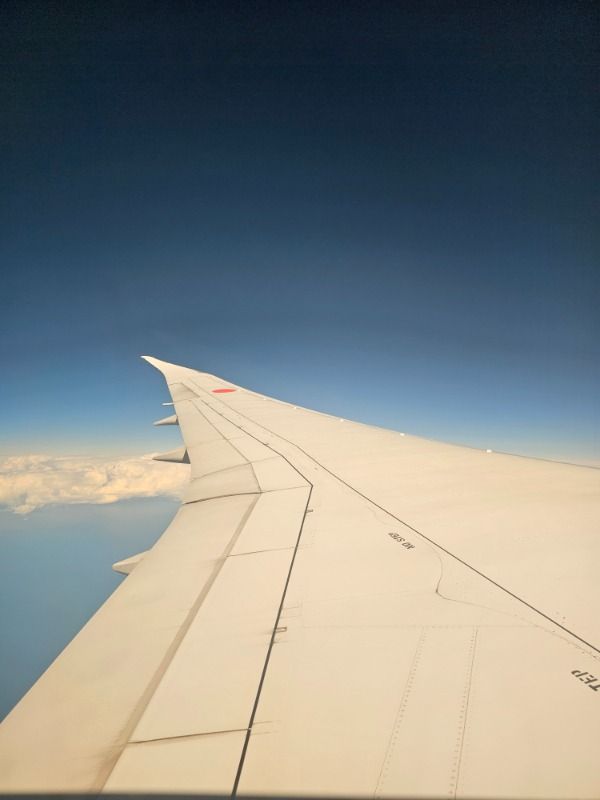
View from airplane window of wing soaring above cloud bank into clear sky
The 5 Core Pillars

Actionable Steps for Peace of Mind on the Road

You don't need to be paranoid to be prepared. Integrating these five simple redundancies into your packing routine ensures you can handle almost any curveball.

01 Document Security

Photograph & Cloud-Back Your Documents

Losing your passport overseas causes massive delays and panic. Embassies require verified proof of citizenship to issue emergency travel documents.

What We Do Before Every Flight

  • Take crystal-clear photos of your passport photo page, driver’s license, COVID/health cards, and visas.
  • Email the copies to your personal inbox so you can access them from any computer or embassy terminal in the world.
  • Download copies to your phone’s offline photo album or Files app so you can open them with zero cellular signal.
  • Keep a physical paper photocopy tucked into the lining of your suitcase, completely separate from your day bag.
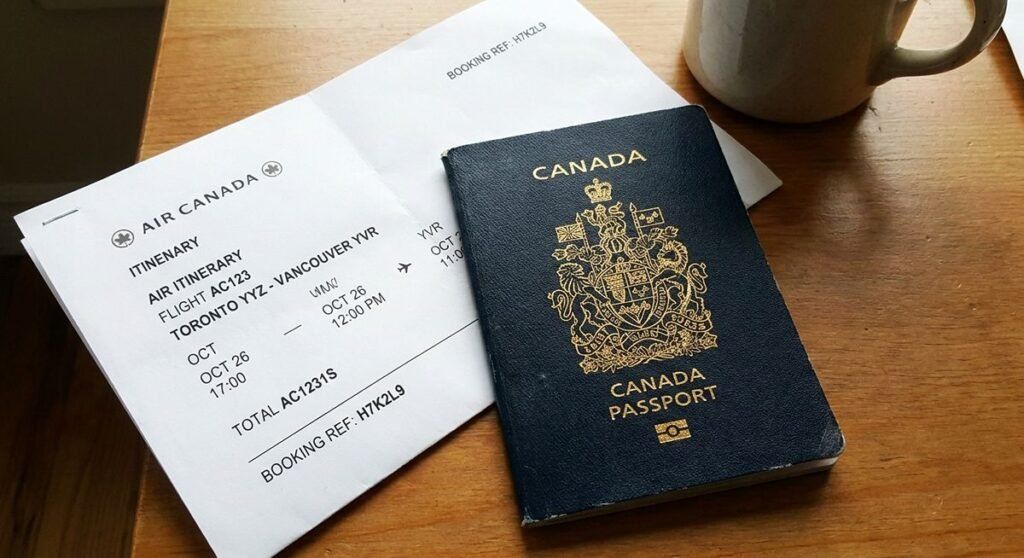
Canadian passport and flight boarding itinerary on wooden table
02 Health & Pharmacy

Pack a Custom Medical & First Aid Kit

Searching for an open, English-speaking pharmacy at midnight in Tokyo or Rome is the last thing you want to do when food poisoning or a fever strikes.

What Belongs in Your Medical Bag

  • Carry enough prescription medication for an extra 10 days in case flight cancellations or storms extend your stay.
  • Always keep prescriptions in their original labeled bottles inside your carry-on, never in checked baggage.
  • Pack familiar over-the-counter essentials: ibuprofen, anti-diarrheal pills, antihistamines, antacids, and blister bandages.
  • Include electrolyte powder packets for quick hydration after food poisoning or long flights.
Compact Travel First-Aid Kit

Sleek, lightweight kit with medical essentials that fits cleanly into a personal day bag.

View on Amazon →
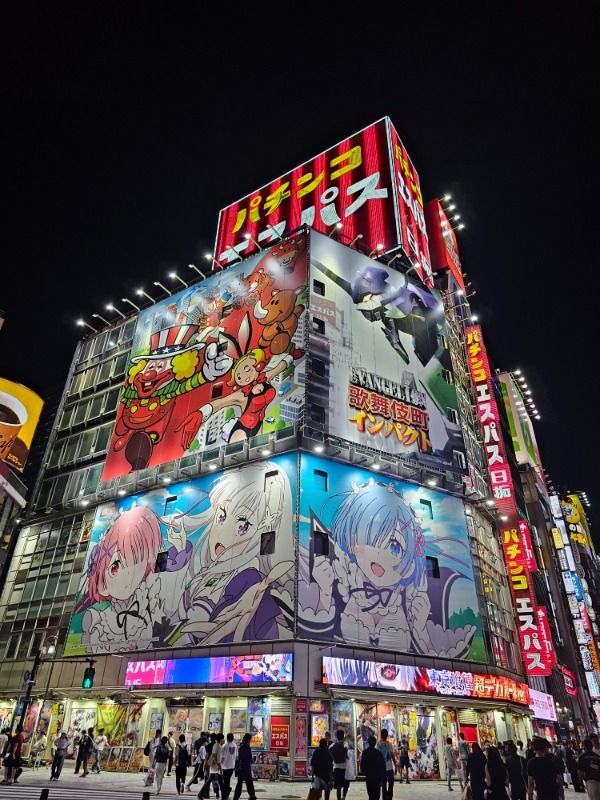
Vibrant neon anime building and crowds at night in Kabukicho, Tokyo
03 Financial Redundancy

Separate Your Money & Never Rely on One Card

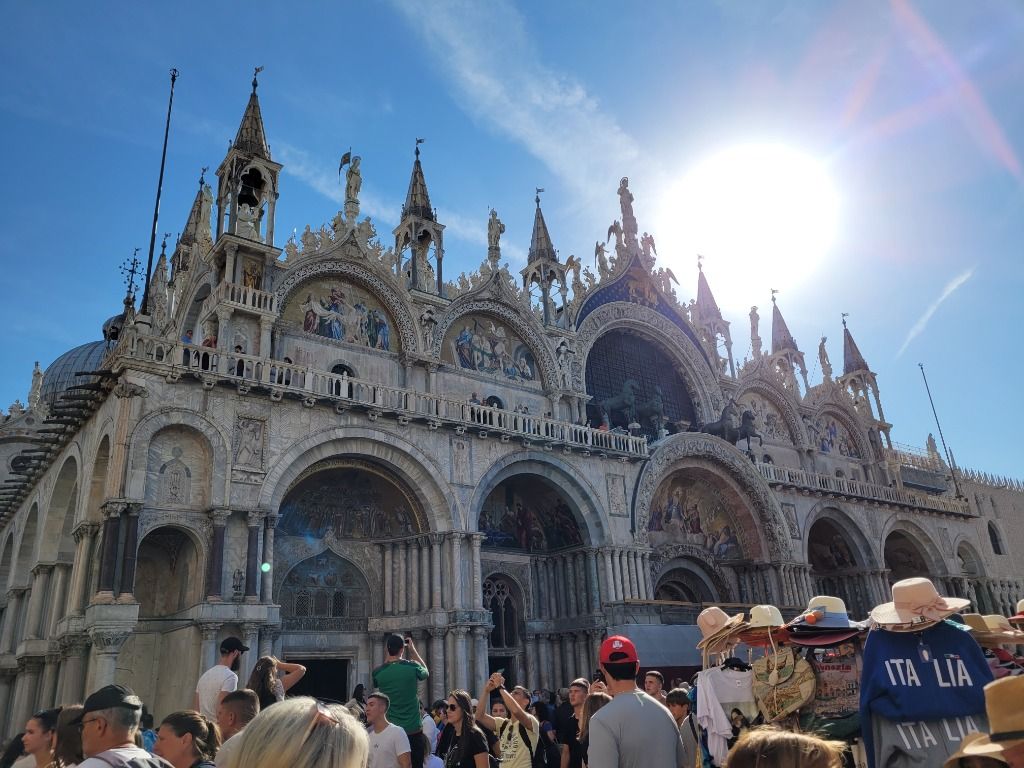
Pickpockets prey on tourists in crowded transit hubs and tourist plazas like St. Mark’s Square in Venice. If your primary wallet disappears, you cannot be left stranded without money.

Smart Financial Habits Abroad

  • Never keep all your cards in the same wallet. Carry your primary spending card and day cash with you, and stash a backup credit card in your hotel room safe or deep in your luggage.
  • Keep $100 USD or local emergency cash hidden in an inside zippered bag lining to cover an emergency taxi or meal if your wallet is stolen.
  • Save the international "call collect" phone numbers printed on the back of your credit cards into your phone so you can cancel stolen cards instantly.
  • Use an anti-theft crossbody bag or secure front-pocket carry in packed subways and bustling markets.
Crowds of visitors outside St. Mark's Basilica under bright blue skies in Venice
04 Risk Protection

Buy Dedicated Adventure & Medical Travel Insurance

Standard credit card insurance comes with tight limits and rarely covers adventure activities like riding a scooter through Southeast Asia or hiking at high elevations. An emergency air evacuation can easily cost upwards of $50,000.

Why We Learned the Hard Way

  • When a severe winter storm grounded our flight to Iceland, our insurance stepped in and saved us over $1,500 on non-refundable hotels and car rentals.
  • Always read the fine print: most basic credit card plans exclude motorcycle tours, scuba diving, and adventure sports.
  • We use specialized providers like World Nomads designed by travelers for travelers, covering over 200 adventure activities.
  • Ensure your plan includes 24/7 worldwide emergency medical assistance, hospital repatriation, and baggage loss protection.
World Nomads Travel Insurance Our Choice for Adventure

Comprehensive global travel insurance covering emergency medical, trip cancellation, and over 200 adventure activities.

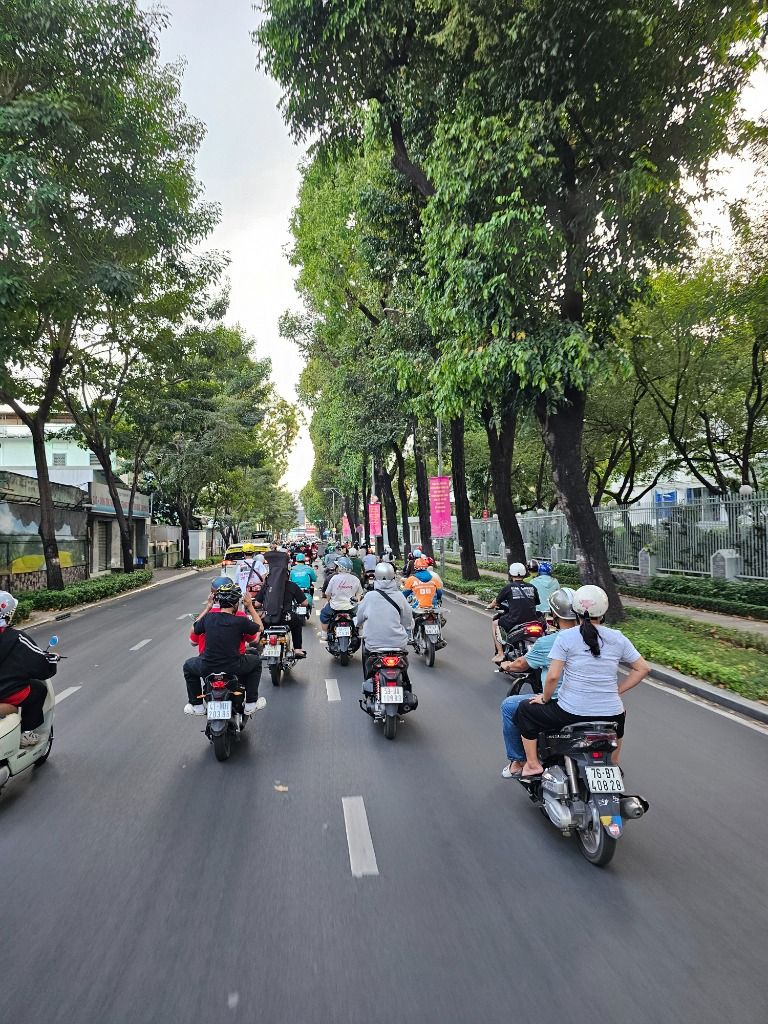
Commuters riding motorbikes down a wide tree-lined city boulevard in Vietnam
05 Connectivity Lifeline

Carry Redundant Backup Power Every Day

Your smartphone is your boarding pass, transit map, translator, hotel confirmation, and emergency lifeline. A dead battery at an unfamiliar train station leaves you completely cut off.

Never Risk 0% Battery on Transit Days

  • Keep a high-capacity (10,000 to 20,000 mAh) portable power bank in your day bag every single morning.
  • Download offline Google Maps of your destination city and offline translation dictionaries before leaving hotel Wi-Fi.
  • Carry a universal travel adapter with multiple USB-C ports so you can recharge your phone and battery bank from any wall socket.
  • Take a screenshot of your hotel address in the local language so you can show taxi drivers even if your network drops.
High-Capacity Portable Power Bank

Ultra-fast charging power bank that provides multiple full phone charges on long travel days.

View on Amazon →
Ron packing carry-on luggage and travel gear at Singapore airport
Departure Checklist

Interactive 7-Step Emergency Readiness Checklist

Check these off before you head to the airport. Your progress is saved right in your browser for your trip.

Readiness Progress 0 of 7 Completed
Quick Reference

Key Emergency Numbers by Region

Save the local emergency number for your destination before landing. In most modern smartphones, dialing 112 or 911 will automatically route to the local equivalent even without an active SIM card.

Destination / Region Emergency Number Notes
European Union (All EU Countries) 112 Universal emergency for Police, Ambulance & Fire
United Kingdom 999 (or 112) Direct connection to emergency services
Japan 110 (Police) · 119 (Medical/Fire) English assistance available in major cities
United States & Canada 911 Standard emergency services
Australia 000 Police, Fire, Ambulance
Vietnam 113 (Police) · 115 (Ambulance) Keep local embassy number handy
Travel Smarter

Related Practical Travel Guides

View All Travel Resources →